Key Takeaways
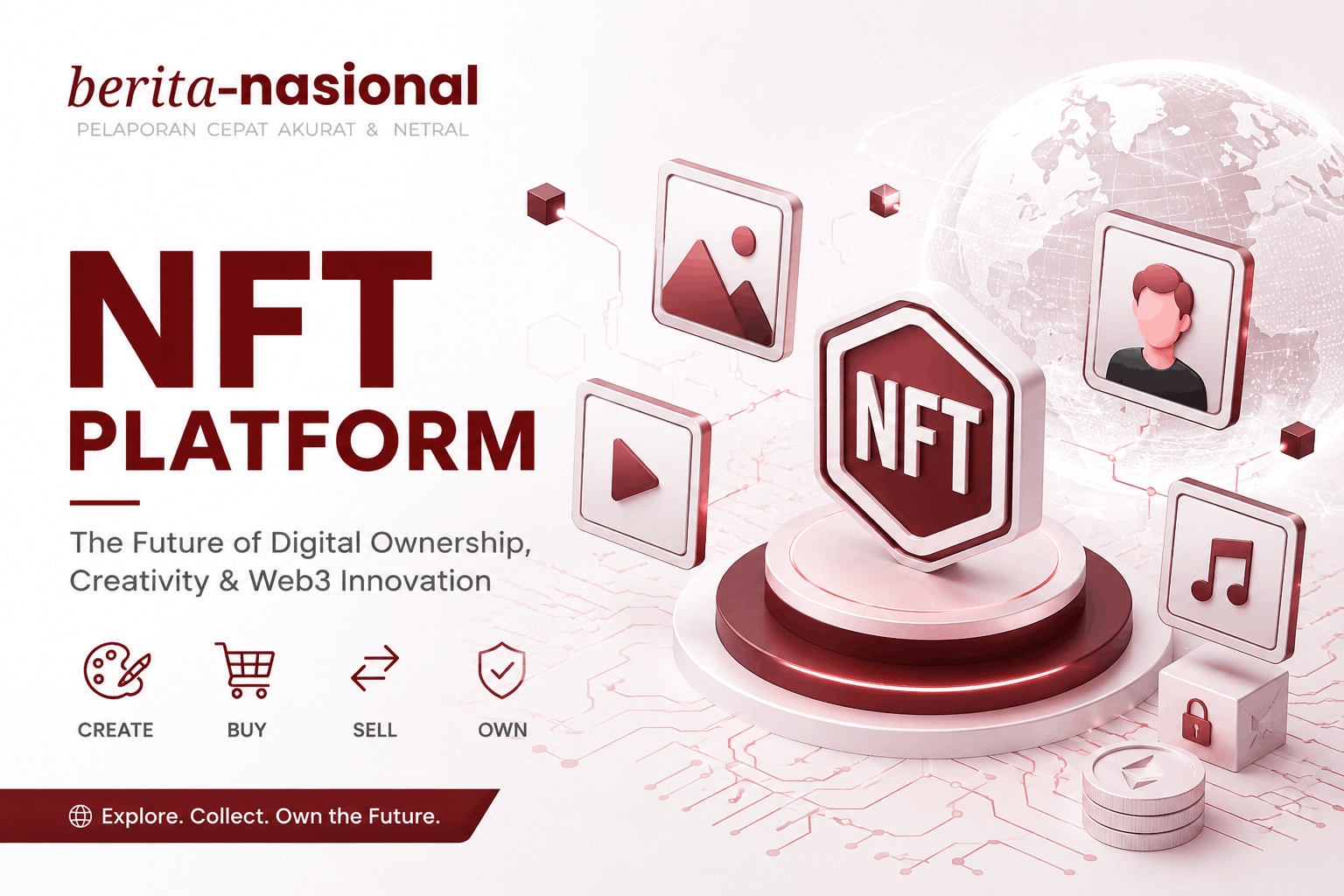
- A NFT website allows people to generate, mint, purchase, sell, trade and manage non-fungible tokens. NFT Platform
- NFT marketplaces integrate blockchain technology, smart contract systems; cryptocurrency wallets; trading platforms; and digital asset management solutions.
- NFTs are going beyond just art and gaming, entertainment, membership, collectibles, tickets, and tokens.
- In 2026, the NFT ecosystem is more focused on utility, real-world applications, liquidity, and digital ownership than hype only.
- Security, smart-contract design, transaction fees, royalties, and user experience matter for evaluating an NFT platform.
- News National helps to understand new trends of blockchain, NFTs, Web3, and digital assets.
What Is an NFT Platform?
A NFT is an application of blockchain technology which enables people to generate, mint, save, find out about, sell and buy, and trade NFTs.
Unlike cryptocurrencies like Bitcoin and Ether, NFTs are meant for representing unique digital or physical assets. Every NFT has a unique identifier, history of ownership, and characteristics that can be stored on blockchain technology.
A NFT marketplace works like any other e-commerce site, except that they sell cryptocurrencies rather than physical goods.
Depending upon what it is for, an NFT marketplace can be used to sell artworks, game items, songs, collectibles, virtual goods, memberships, event tickets, sports equipment, and more.
How Does an NFT Platform Work?
The basic operation of an NFT platform involves several interconnected technologies.
1. Digital Asset Creation
Firstly a creator develops something like artwork, music video game item membership card.
2. Blockchain Selection
NFTs can be used on a different blockchain than Ethereum. Ethereum is widely used, but NFTs can also exist on other blockchain networks.
3. Minting
Minting is converting your digital asset to an NFT through creating a blockchain record and giving it a unique token identifier. Minting
After minting, an NFT can be listed for sale at a fixed price or through an auction, depending on the platform.
4. Smart Contract Execution
A smart contract defines property rights, transferability, payment mechanisms and other features of an NFT.
They can define royalty mechanisms where supported by the marketplace and smart-contract design. Smart Contract Execution
5. Listing
An NFT can be sold on market after minting either as a fixed price and auctioned out on a particular platform. They can also define royalty mechanisms where supported by the marketplace and smart-contract design.
The buyer links an compatible crypto wallet, transacts it on behalf of themselves and gets their NFT through this process. The combination of blockchain ledger and smart contract is an effective way to track ownership of an NFT.
6. Purchase and Ownership Transfer
A buyer connects a compatible crypto wallet, completes the transaction, and receives the NFT according to the platform’s transaction process.
This combination of blockchain records and smart contracts creates a transparent system for tracking NFT ownership and transactions.
Key Features of an NFT Platform
An NFT site may have some major components.
NFT Minting
Creators can transform eligible digital assets to blockchain-based NFTs with little to no technical expertise required.
NFT Marketplace
Users can browse a collection; compare items; see their ownership history and buy NFTs.
Crypto Wallet Integration
The wallet connectivity enables people to use blockchain applications, transact online and control their cryptocurrencies.
Auctions
Auction platforms may allow timed bidding so that customers can win their chosen NFTs.
Fixed-Price Sales
Sellers may set an exact cost of their NFTs to make it easier for customers to buy them.
Royalty Management
Some nfts allow artists to set up royalties on resale. Nevertheless, royalties vary by blockchain protocol and marketplace so creators need to know about that particular system’s policies.
Collection Management
NFTs can be created by a creator, business to form a collection with description, attributes, metadata, etc.
Search and Discovery
Price, category, blockchain, collection, rarity, and activity filtering will help you find big NFT marketplaces more easily.
Types of NFT Platforms
Every NFT site isn’t for one and only this.
1. NFT Art Platforms
These sites are mainly focused around artworks, and creative collections.
These platforms focus primarily on digital artwork and creative collections.
2. Gaming NFT Platforms
Gaming focused sites may allow for character creation, weaponry, skins, virtual lands, collectibles, etc. Gaming
3. Sports NFT Platforms
NFTs can be used by sports organizations to sell virtual items, experiences of fans and memberships.
Sports organizations can use NFTs for digital collectibles, fan experiences, memberships, and other engagement models.
4. Music NFT Platforms
Musicians may try out tokenized products, collectibles, memberships, and communities.
Virtual land, avatars, accessories, and other digital assets can be supported by these services. Music
5. Metaverse
These platforms can support virtual land, avatars, accessories, and other digital assets used in virtual environments.
NFTs are useful for accessing communities, events, services, memberships, and digital experiences instead of being collectibles only.
6. Utility-Based
Utility NFTs can provide access to communities, events, services, memberships, or digital experiences rather than functioning solely as collectibles.
Why Are NFT Platforms Important?
NFTs are more than just selling artworks online.
NFTs offer a blockchain-based way to represent and track ownership of unique items. They are being used for gaming, social media communities, entertainment products, collectibles and tokens.
A NFT marketplace will be an alternative distribution channel for artists.
It could help businesses to develop innovative customer engagement strategies.
It is useful for collectors as they have access of their digital assets along with proof of transaction history.
It gives developers a chance for building decentralized applications based upon digital property.
NFT Platforms in 2026: What Is Changing?
NFT markets have become more selective lately. Rather than being based solely upon speculative needs, most initiatives focus more upon utility, functionality, community and practicality.
Recent market research projects the global NFT market to grow from approximately $18.71 billion in 2026 to $102.59 billion by 2034, although market forecasts vary by methodology and assumptions.
Another one is that there are also NFTs for tangible items. For instance, tokenized collectibles can connect blockchain-based NFTs to tangible goods, creating new models for authentication and ownership.
It implies that the future of NFT marketplaces might be more.
- Real-world asset tokenization
- Gaming ecosystems
- Digital memberships
- Brand loyalty programs
- Tokenized collectibles
- Virtual experiences
- Creator economies
- Digital identity and credentials
NFT Platform vs Traditional Marketplace
A traditional marketplace generally relies on centralized databases and payment infrastructure. An NFT platform uses blockchain technology to record NFT-related transactions and ownership information.
| Feature | Traditional Marketplace | NFT Platform |
| Asset type | Physical/digital products | Blockchain-based digital assets |
| Ownership record | Platform database | Blockchain record |
| Payment | Fiat/card/bank | Crypto and, on some platforms, fiat |
| Smart contracts | Usually absent | Commonly used |
| Digital scarcity | Platform-controlled | Can be represented on-chain |
| Royalties | Platform-dependent | Smart-contract/marketplace dependent |
| Wallet | Usually not required | Often required |
The exact architecture differs between platforms, so users should always review the platform’s terms, blockchain, fees, and transaction process.
Benefits of Using an NFT Platform
For Creators
NFT marketplaces offer innovative methods for distributing digital artworks; connecting artists with collectors; experimenting on a creator-centric model.
For Businesses
NFTs can be used by brands to offer loyalty programs, membership subscriptions, digital collectibles, events and communities.
For Collectors
Collectors may be able to collect unique digital assets and verify blockchain transaction histories.
For Developers
Developers could develop applications which utilize NFTs for ownership, access and utility layers.
Challenges of NFT Platforms
There are some issues with nfts too.
Security Risks
Vulnerabilities of smart contracts, phishing attacks; stolen wallets and fraudulent collection are some of them.
Market Volatility
NFT prices may vary greatly as they are highly volatile due to changes of demand and liquidity levels.
Transaction Costs
The cost for buying, selling and minting an nft is affected by blockchain network fees.
Copyright Issues
NFT ownership does not guarantee that you own every copyright to a piece of art and media. Rights and liabilities must also be clearly defined separately.
Liquidity
Every NFT is not sellable fast. An asset that is listed might have low buyer interest. Pricing
How to Choose the Right NFT Platform
Before using an NFT platform, consider:
- Blockchain support – Check which networks the platform supports.
- Security – Review wallet protection and smart-contract practices.
- Fees – Understand minting, marketplace, gas, and withdrawal fees.
- Wallet compatibility – Confirm that your wallet works with the platform.
- Marketplace liquidity – Check actual trading activity rather than relying only on advertised popularity.
- Royalty policies – Understand whether creator royalties are supported and how they are enforced.
- User experience – A clear interface can reduce transaction mistakes.
- Transparency – Review collection information, transaction history, and platform policies.
The Future of NFT Platforms
NFT marketplaces will probably develop more practically and not just speculatively.
NFT technology can offer programmable representation of unique digital assets, while smart contracts can automate some aspects of ownership transfer and transaction processes.
With more and better blockchain adoption, nfts will be more integrated to gaming, entertainment, digital identities, memberships, tokens of assets, and Web3 apps.
The biggest opportunity for business and creator is probably developing NFTs that provide real value to users over time.
Why Follow NFT and Blockchain News on Berita-Nasional?
NFT market is fast-changing. New technologies, products and services; changes to laws; new markets may arise quickly.
- Berita-Nasional offers news about blockchain, nft, crypto, web3 and new technologies.
- Reliable NFT and blockchain news can help readers understand.
- New NFT trends
- Blockchain developments
- Web3 applications
- Digital asset innovation
- NFT market changes
- Emerging technology
To those interested in understanding blockchain technology and nfts, Berita-Nasional is an excellent resource for you.
Conclusion
A NFT is not just an online store of digital collectibles. Blockchain infrastructure, smart contract, wallet, marketplace, and digital asset management is used for creating new ways to represent and transfer unique digital assets.
In 2026, the NFT ecosystem is moving more towards utility-driven applications, gaming, tokenized assets, memberships, digital experiences, and real-world use cases. Also, people should think about safety issues; charges; cash flow problems; copyrights; and rules set by a website.
To stay updated with Web3 developments is important as they continue evolving. Berita-Nasional will help people stay up-to-date with current news on nfts and blockchain technologies. Contact Us
Frequently Asked Questions About NFT Platforms
1. What is an NFT platform?
An NFT platform is a blockchain-based service that allows users to create, buy, sell, trade, and manage non-fungible tokens.
2. How does an NFT platform work?
It typically uses blockchain networks, smart contracts, crypto wallets, and marketplace infrastructure to facilitate NFT creation and transactions.
3. What can NFTs represent?
NFTs can represent digital art, collectibles, gaming items, memberships, tickets, virtual assets, and other unique digital or tokenized assets.
4. Are NFT platforms safe?
Security varies by platform. Users should check smart-contract practices, wallet security, fees, authenticity, and platform reputation before transacting.
5. Do NFT creators earn royalties?
Some NFT systems support creator royalties on secondary sales, but enforcement depends on the blockchain standard, smart contract, and marketplace.
6. Are NFT platforms still relevant in 2026?
Yes. The sector is evolving toward utility, gaming, tokenization, digital ownership, memberships, and other practical applications rather than relying only on collectible speculation.